Medical Device Companies in Ireland: Careers, Locations and Growth in 2026
Ireland is home to more than 300 MedTech companies employing over 50,000 people. The sector includes global medical-device manufacturers, specialist design and development partners, diagnostics businesses, digital-health operations and Irish-founded companies scaling into international markets.
The companies included in this guide are representative examples selected because of their Irish presence, career relevance or recent verified investment. They are not ranked, and inclusion does not mean that every company is currently recruiting for every role discussed.
Candidates can review the wider market in HERO’s guide to Ireland’s STEM job market in 2026

Ireland’s MedTech Employment Market at a Glance
Ireland’s MedTech sector has developed over more than five decades. Its capabilities now extend from high-volume manufacturing into product development, digital health, connected devices, advanced materials, precision components and specialist R&D.
Galway remains one of Ireland’s most recognised MedTech clusters, but significant employment is also concentrated around Cork, Limerick, Shannon, Dublin, Waterford, Kilkenny, Clonmel, Mayo, Sligo, Donegal and County Leitrim.
The sector includes companies producing cardiovascular technologies, minimally invasive devices, diabetes-care systems, diagnostics, orthopaedic products, drug-delivery systems, ostomy products and medical-device components. It also includes companies developing software and data platforms connected with clinical care.
That diversity creates different routes into the industry. Some positions require an engineering or scientific degree, while others are accessible through apprenticeships, technician qualifications, graduate programmes, production experience or specialist training completed later in a career.
What Types of Jobs Do Medical Device Companies Offer?
R&D and Product Development
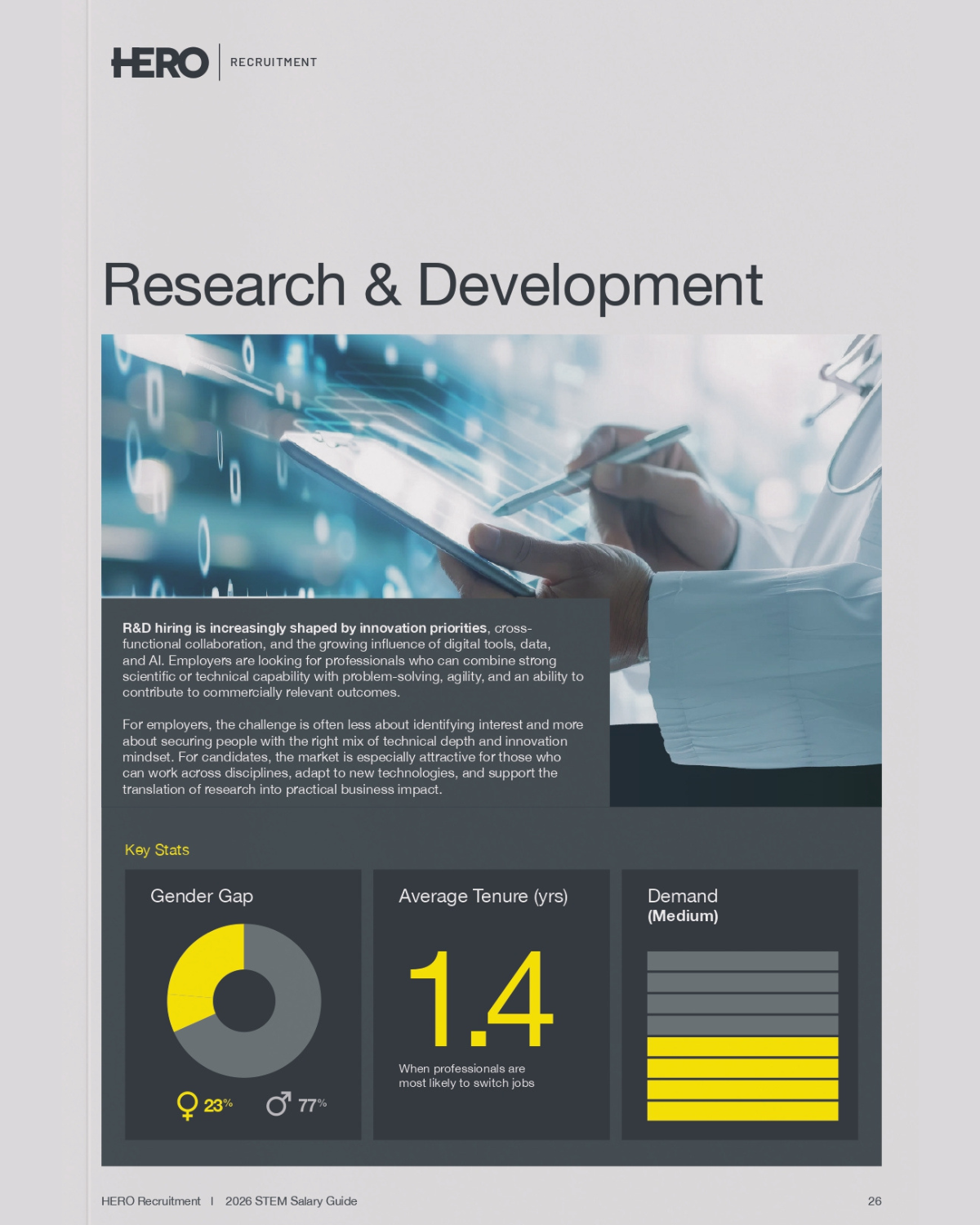
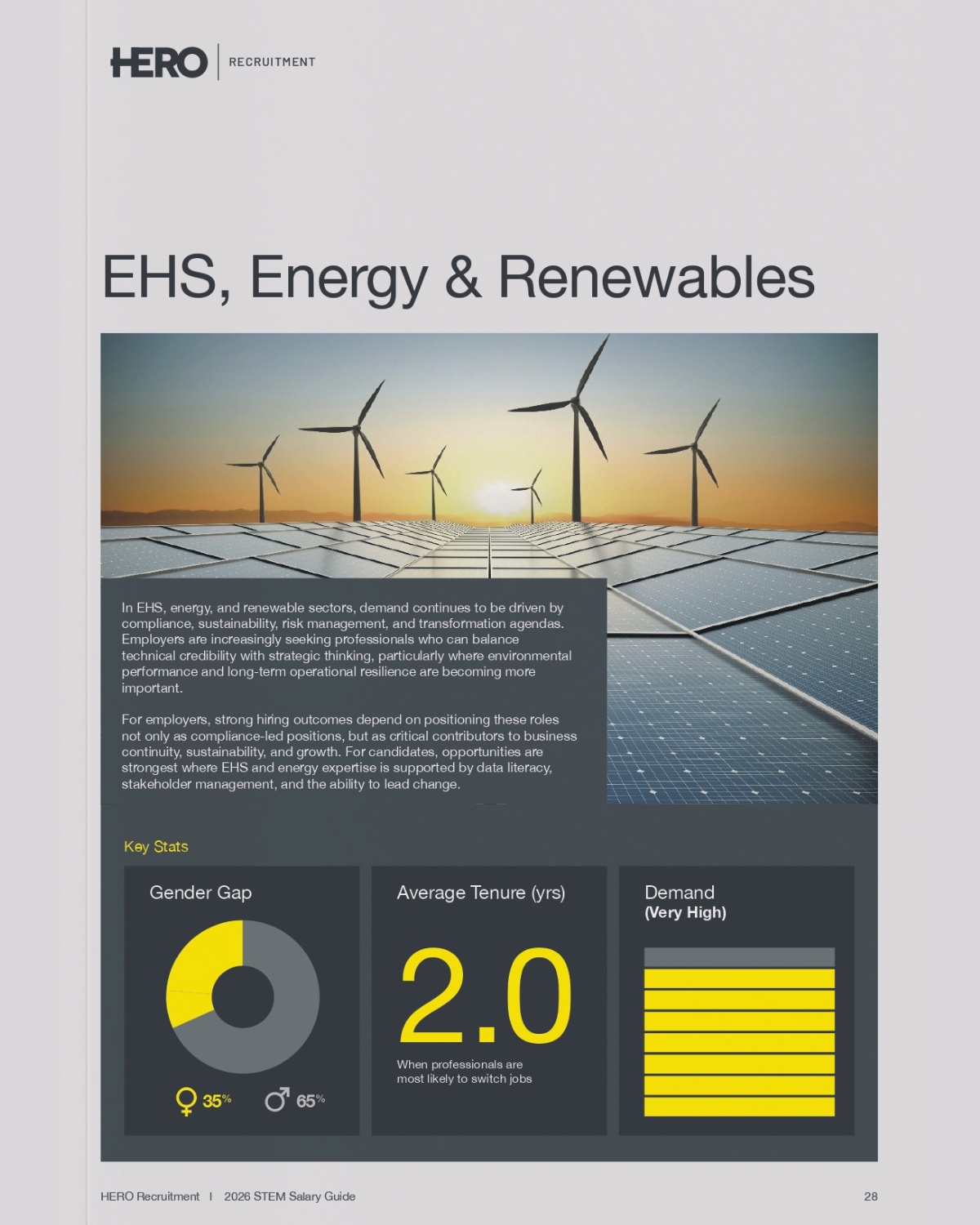
R&D teams design, develop and test products, technologies and manufacturing processes before they move into commercial production. Typical positions include R&D Engineer, Product Development Engineer, Design Engineer, Biomedical Engineer, Test Engineer, R&D Scientist and NPI or NPD Project Manager.
The work can involve concept development, prototyping, material selection, design verification, test-method development, risk management and transfer into manufacturing. Candidates interested in this area can explore HERO's 2026 R&D salary benchmarks.
Manufacturing, Process and Automation Engineering
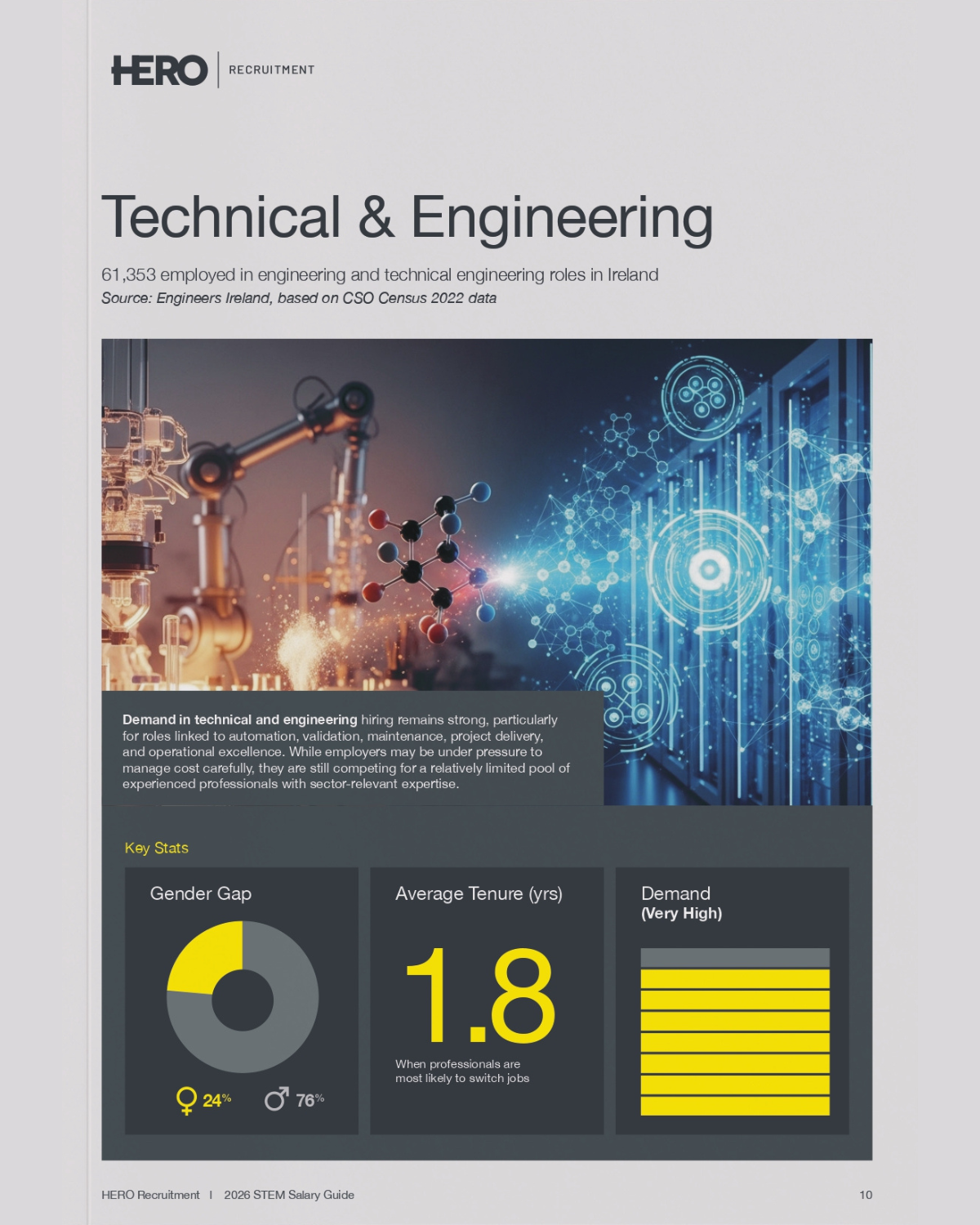
Manufacturing and process engineers help equipment, production systems and technical processes operate safely, consistently and efficiently. Their responsibilities may include equipment introduction, process optimisation, automation, troubleshooting, capacity improvement, line transfers and technical support for production.
Automation and controls professionals may work with PLCs, robotics, vision systems, manufacturing data, industrial networks and integrated production equipment.
Quality, Validation and Design Assurance
Quality and validation professionals help ensure that products, processes, equipment and documentation meet defined requirements. Quality roles can involve quality systems, supplier quality, complaints, auditing, corrective and preventive actions, manufacturing support and continuous improvement.
Validation specialists may work across equipment qualification, process validation, cleaning validation, software or computer-system validation and test-method validation. Design Assurance Engineers focus on quality throughout product development. Their work may involve design controls, risk management, verification, traceability and ensuring that product requirements are supported by appropriate evidence.
Regulatory Affairs
Regulatory-affairs professionals help organisations understand and meet the requirements governing medical products in different markets. Their work can involve submissions, product registrations, regulatory strategy, change assessment, technical documentation and communication with regulatory authorities.
The responsibilities vary by product, market and level of seniority. HERO’s Regulatory Affairs Contracting Rate Guide Ireland 2026 provides further information on specialist regulatory roles and contractor benchmarks.
Software, Data and Digital Health
Software and data skills are becoming more relevant as medical technologies become increasingly connected. Career areas can include embedded software, cloud platforms, cybersecurity, systems engineering, data engineering, data science, software quality and reliability engineering.
Medtronic’s 2026 decision to establish a Galway software hub for cardiac digital health is one example of the sector’s movement beyond traditional manufacturing. The initial recruitment plan covered 85 positions in software engineering, systems reliability and leadership.
Technicians, Operations and Supply Chain
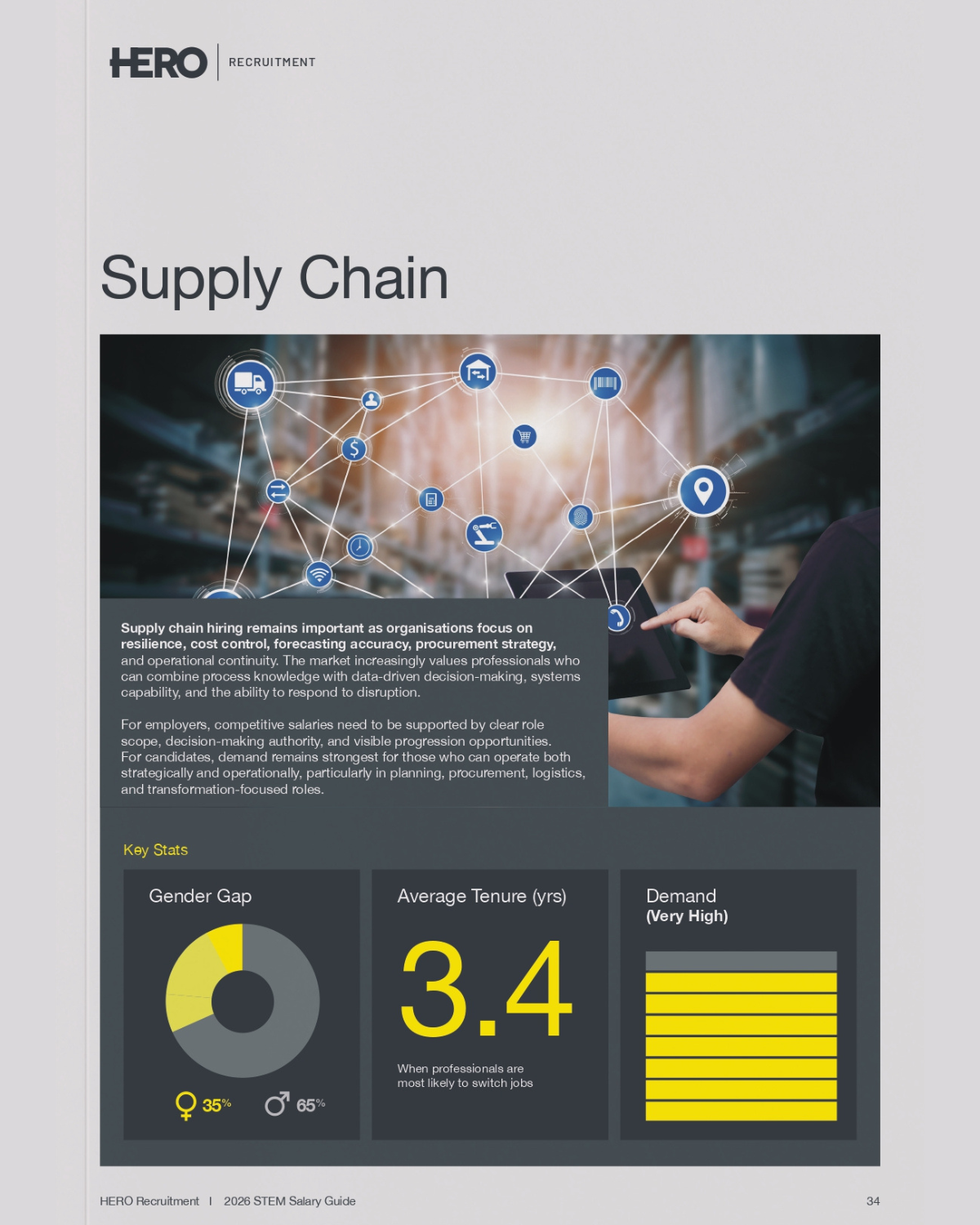
Medical-device companies also depend on production technicians, maintenance specialists, toolmakers, laboratory staff, planners, buyers, warehouse teams and supply-chain professionals. Technician and apprenticeship routes can provide an alternative entry point for people who do not begin with a university engineering degree. Progression may later involve specialist technical work, further education, supervision or manufacturing leadership.
Major MedTech Employers and Manufacturing Partners in Ireland
Abbott
Abbott employs more than 6,000 people across ten Irish locations. Its operations span Clonmel, Cootehill, Donegal, Dublin, Longford, Sligo, Galway and Kilkenny, covering areas such as diabetes care, diagnostics, vascular technologies and nutrition. Not every Abbott site is a medical-device operation, so candidates should assess the activity and roles associated with the specific location.
The company’s Kilkenny diabetes-care facility opened in November 2024 as part of a €440 million investment across Kilkenny and Donegal. The Kilkenny operation was expected to employ more than 800 people, while approximately 200 additional roles were associated with the Donegal expansion. Depending on the site, relevant career areas can include manufacturing, process engineering, automation, quality, diagnostics, science, supply chain and operational leadership. Because Abbott’s Irish locations support different business divisions, candidates should tailor applications to the exact product, site and job rather than relying on one general company description.
Boston Scientific
Boston Scientific lists principal Irish manufacturing facilities in Galway, Cork and Clonmel. Its Clonmel site is also identified as an R&D Centre of Excellence. These locations create career paths across manufacturing engineering, process development, R&D, quality, regulatory affairs, operations, equipment engineering and technician work.
Candidates interested in hearing how careers can develop within the company can watch HERO’s Boston Scientific women-in-STEM podcast with Aoife Carter and Claire O’Brien. The accompanying article about engineering and regulatory-affairs careers at Boston Scientific explores their career journeys in greater detail.
Medtronic
Medtronic has had operations in Galway and Westmeath for more than 40 years. Its career areas extend across engineering, research and development, manufacturing, quality, software and supporting business functions. In May 2026, Medtronic announced that it was establishing a European Patient Care Systems software-development hub in Galway. The operation is intended to support cardiac digital-health platforms, with initial recruitment for 85 roles in leadership, software engineering and systems reliability. The company said further growth was anticipated over the following three years.
The announcement demonstrates how MedTech careers are expanding into cloud platforms, connected devices and clinical software alongside established manufacturing and R&D work. HERO’s Medtronic podcast with Catherine Clery and Anne Grealish explores careers in R&D leadership and strategic excellence.
Stryker
Stryker describes Cork as its largest innovation and manufacturing hub outside its United States headquarters. The company employs more than 4,100 people across six Cork sites. These operations include manufacturing, engineering, R&D, medical instrumentation and additive manufacturing. Stryker’s Anngrove facility is also connected with the company’s specialised work in 3D printing and advanced manufacturing.
Career opportunities can span product development, manufacturing engineering, additive manufacturing, quality, operations, supply chain, process development and technical leadership.
Freudenberg Medical
Freudenberg Medical operates in County Leitrim and County Galway, supporting medical-device customers in areas including electrophysiology, structural-heart and peripheral-vascular technologies. When the company announced its Carrick-on-Shannon expansion in November 2024, it reported more than 1,000 employees across Ireland. The recruitment programme included plans for 250 additional staff in Carrick-on-Shannon, while an earlier Galway expansion involved 100 jobs and a 50% increase in manufacturing space.
These figures are dated investment announcements rather than confirmation that every planned position remains available. Relevant career areas include catheter manufacturing, process development, manufacturing engineering, quality, production, maintenance and operational excellence. HERO’s Freudenberg Medical women-in-STEM podcast features Linda Greaney and Síle O’Connell discussing careers in operational excellence and production leadership.
Hollister Incorporated
Hollister’s Ballina facility manufactures products connected with ostomy and continence care and has operated in County Mayo since 1976.
In July 2025, Hollister announced an €80 million R&D and digital-transformation investment in Ballina. The project was expected to create approximately 50 jobs, with recruitment identified across engineering, data science and business services. The company reported that the Ballina operation employed almost 1,000 people at the time of the announcement.
Career areas at a site of this type can include engineering, product development, digital manufacturing, quality, regulatory affairs, data, operations and supply chain. HERO’s Hollister podcast with Honora Egan and Vivienne McNulty explores their routes through product design, engineering and innovation leadership.
TE Connectivity Medical
TE Connectivity’s Galway site is the headquarters of its Medical business. The operation supports the development and manufacture of components and assemblies used in minimally invasive medical devices. The Galway campus includes R&D, rapid prototyping, 3D printing, laboratory testing and manufacturing capabilities. Its work includes catheter assemblies, metal shafts, hypotubes, speciality needles and finished devices.
Career areas can include R&D engineering, product and process development, manufacturing engineering, quality, project management and operations. HERO’s TE Connectivity women-in-STEM podcast features Marilyn Bane, Deirdre Hardiman and Colleen Markland discussing manufacturing, engineering and PMO leadership. Their longer career stories are available in HERO’s article about women in STEM at TE Connectivity.
West Pharmaceutical Services
West Pharmaceutical Services designs and manufactures packaging components and delivery systems used with injectable medicines. West reports more than 1,000 employees across Ireland, including manufacturing facilities in Dublin and Waterford and a Global Finance Services Centre. Its Irish career routes include graduate programmes, apprenticeships, third-level placements and support for further education.
Career areas can include manufacturing engineering, automation, process validation, quality, laboratories, operations, maintenance, supply chain and digital transformation. Candidates can hear more about engineering and manufacturing progression in HERO’s West Pharmaceutical Services podcast with Aine Brennan and Samantha Murphy. The supporting article about Aine and Samantha’s MedTech career journeys provides a deeper written account.
Irish MedTech Companies Creating New Career Opportunities
Ireland’s MedTech market is not limited to large multinational employers. Irish-founded companies are also creating opportunities across engineering, manufacturing, quality, science and commercial functions.
Investment announcements describe planned growth over a defined period. They should not be interpreted as confirmation that all announced jobs are open at the same time.
Aerogen
Aerogen announced a €300 million ten-year investment and scaling plan in January 2025, with 725 new jobs planned across Galway and Shannon.
The expansion was expected to create roles across R&D, manufacturing, engineering and related functions. Aerogen is an Irish-founded company specialising in aerosol drug-delivery technology for acute care.
Neurent Medical
Neurent Medical opened a new manufacturing facility in Oranmore, County Galway, in June 2025. The company announced plans to create 125 jobs by the end of 2028 across engineering, quality control, operations, supply chain, sales and marketing. The facility was established as the central manufacturing location for Neurent’s chronic-rhinitis treatment technology.
HERO’s Neurent Medical women-in-STEM podcast features Brenda Egan and Norah O’Brien discussing R&D, design assurance and MedTech leadership.
ICS Medical Devices
Galway-based ICS Medical Devices announced 72 planned jobs in June 2025 as part of an expansion expected to continue through 2028.
The roles were identified across engineering, manufacturing, quality and human resources. The company provides catheter design and manufacturing services to medical-device businesses. These growth announcements show that candidates can find MedTech careers in scaling Irish businesses as well as established multinational operations.
Ireland’s Main MedTech Career Locations
Galway and the West
Galway has one of Ireland’s largest concentrations of medical-device employers, design partners and early-stage companies. Boston Scientific, Medtronic and TE Connectivity have significant Galway operations. The region is also home to Aerogen, Neurent Medical, ICS Medical Devices and numerous specialist suppliers and development businesses. Career opportunities span R&D, catheter development, process engineering, manufacturing, quality, software, data and operational leadership.
Cork and the Southwest
Cork’s MedTech market is strongly influenced by Stryker and Boston Scientific. Stryker’s six-site Cork operation provides opportunities across R&D, advanced manufacturing, engineering and operations, while Boston Scientific’s Model Farm Road operation is one of its principal Irish manufacturing locations. Candidates considering Cork should compare role requirements, commuting arrangements and the complete compensation package rather than salary alone.
Limerick, Shannon and the Mid-West
The Mid-West supports medical-device manufacturing, engineering and indigenous company growth. Aerogen’s long-term expansion plan includes Shannon alongside Galway, creating the potential for roles in R&D, engineering and manufacturing as the programme develops. The wider Limerick and Shannon area also has strong connections with life sciences, advanced manufacturing and technical supply chains.
Waterford, Kilkenny and the Southeast
The Southeast includes significant operations in Waterford, Kilkenny and Clonmel. West Pharmaceutical Services operates a manufacturing facility in Waterford. Abbott’s Kilkenny diabetes-care facility is expected to employ more than 800 people, while Boston Scientific operates a principal manufacturing facility and R&D Centre of Excellence in Clonmel. Relevant roles can include automation, manufacturing engineering, quality, validation, operations, laboratories and supply chain.
Mayo, Sligo, Donegal and Leitrim
The Northwest has substantial healthcare and medical-manufacturing employment outside Ireland’s largest cities. Hollister employs almost 1,000 people in Ballina. Abbott has operations in Donegal and Sligo, while Freudenberg Medical has a major presence in Carrick-on-Shannon. Candidates open to regional locations may find different competition levels, commuting patterns and progression opportunities from those in Galway, Cork or Dublin.
Dublin and the East
Dublin combines manufacturing, engineering, commercial, finance and global-support functions. Abbott and West Pharmaceutical Services are among the companies with Dublin operations. The wider region also supports medical-technology businesses through software, shared services, research, distribution and commercial functions.
Permanent Vs Contract MedTech Careers
Permanent employment may suit professionals looking for long-term progression, internal mobility and employer-funded benefits. Contract work is often associated with defined programmes such as facility expansion, equipment installation, automation, validation, new-product introduction, quality improvement or manufacturing transfer.
HERO’s 2026 Engineering Contracting Rate Guide reports an average engineering contractor day rate of €479 and an average assignment length of 17 months. Its R&D guide reports an average day rate of €432 across the product-development and innovation market. These are broad sector benchmarks, not guaranteed rates for a particular MedTech position. Candidates should not compare an annual salary and a daily contractor rate as direct equivalents. The calculation needs to account for paid leave, pension, benefits, taxation, administration, project continuity and the expected number of billable days.
FAQs


Search Jobs
Match my CV
We take the hard work out of finding you a new job. Simply upload your CV (or call us) and we’ll get hunting for you!
Subscribe to The Shift for the latest STEM industry and career updates.

Join The Shift!
Get insider updates on the hottest industry trends, cutting-edge career advice, and exclusive talent insights. Stay ahead of the curve and keep your finger on the pulse of Ireland’s STEM talent trends. Exciting content coming your way soon!